The yard
Composites first, then the drone
Pedra Rubja is a composites workshop in Macchiareddu, near Cagliari. Custom carbon parts for yachts, racing boats and shipyards, and now the hull of a naval drone.

What we build
Custom parts, structural components, repairs
Every project starts from a technical need and ends with a part that has been laminated, cured and checked in the same hangar.
Custom composite parts, structural yacht components, prototypes and limited series. Maxi yacht and racing boat components, and the integration of composite and metal.
Repairs too: damage assessment, structural carbon and fibreglass repairs, reinforcement of stressed areas, replacement parts. When a boat cannot wait, a team goes to the boat for emergency repair, assessment and temporary stabilisation.
The customers are yachts, maxi yachts, racing yachts, AC45 class boats, shipyards, professional teams and owners, in Sardinia and the central Mediterranean.
Capabilities
What the hangar can do
-
01
Clean room
A controlled environment for lamination, with temperature-controlled storage for the materials.
-
02
Prepreg and infusion
Both processes, chosen part by part on the load case.
-
03
Autoclave and post-curing
Cured under pressure and temperature, then post-cured for the parts that live under load.
-
04
Milling up to 24 metres
Three-axis and five-axis machines, with large-scale capacity up to twenty-four metres for moulds and tooling.
-
05
Water jet and laser cutting
Precise blanks in composite and in metal.
-
06
Aluminium and steel
Fabrication, welding, forming and assembly of metal structures, integrated with the composite.
-
07
3D printing and CAD
Large-scale additive manufacturing for tooling and prototypes. Design in CATIA V5, 3DEXPERIENCE and WorkNC.
The hangar
Fourteen pictures from the bench
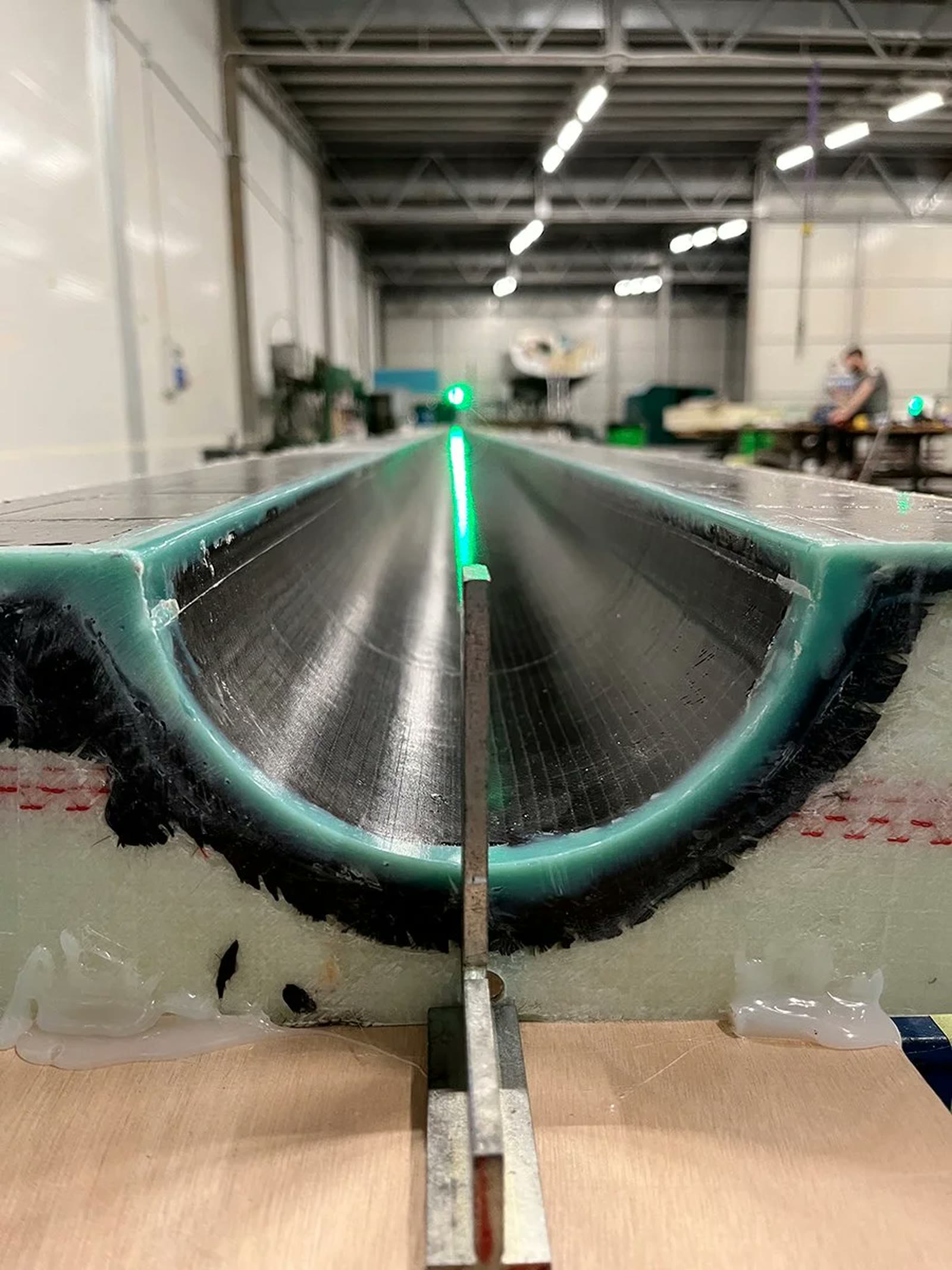
Hull section under the laser line 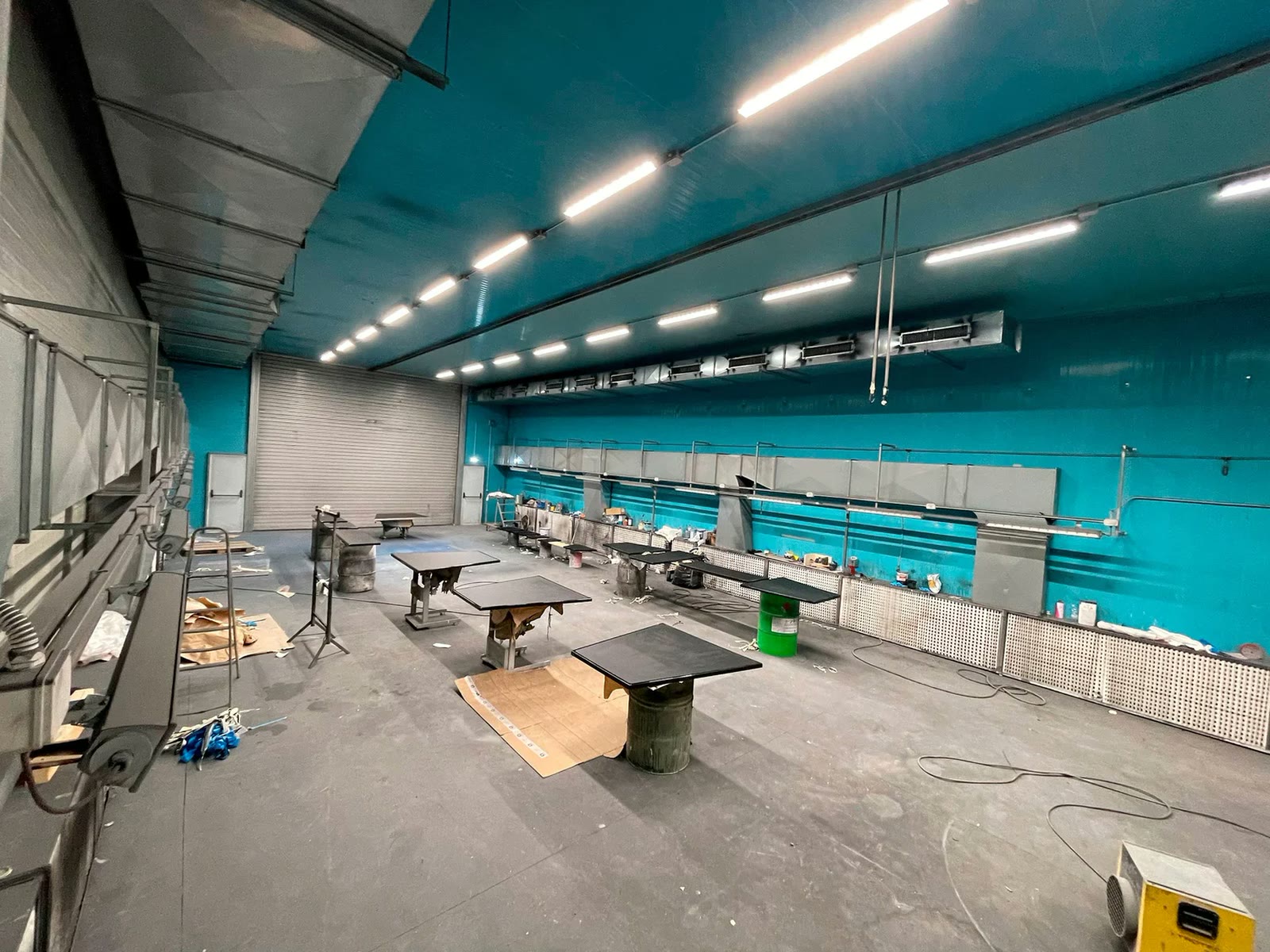
The hangar 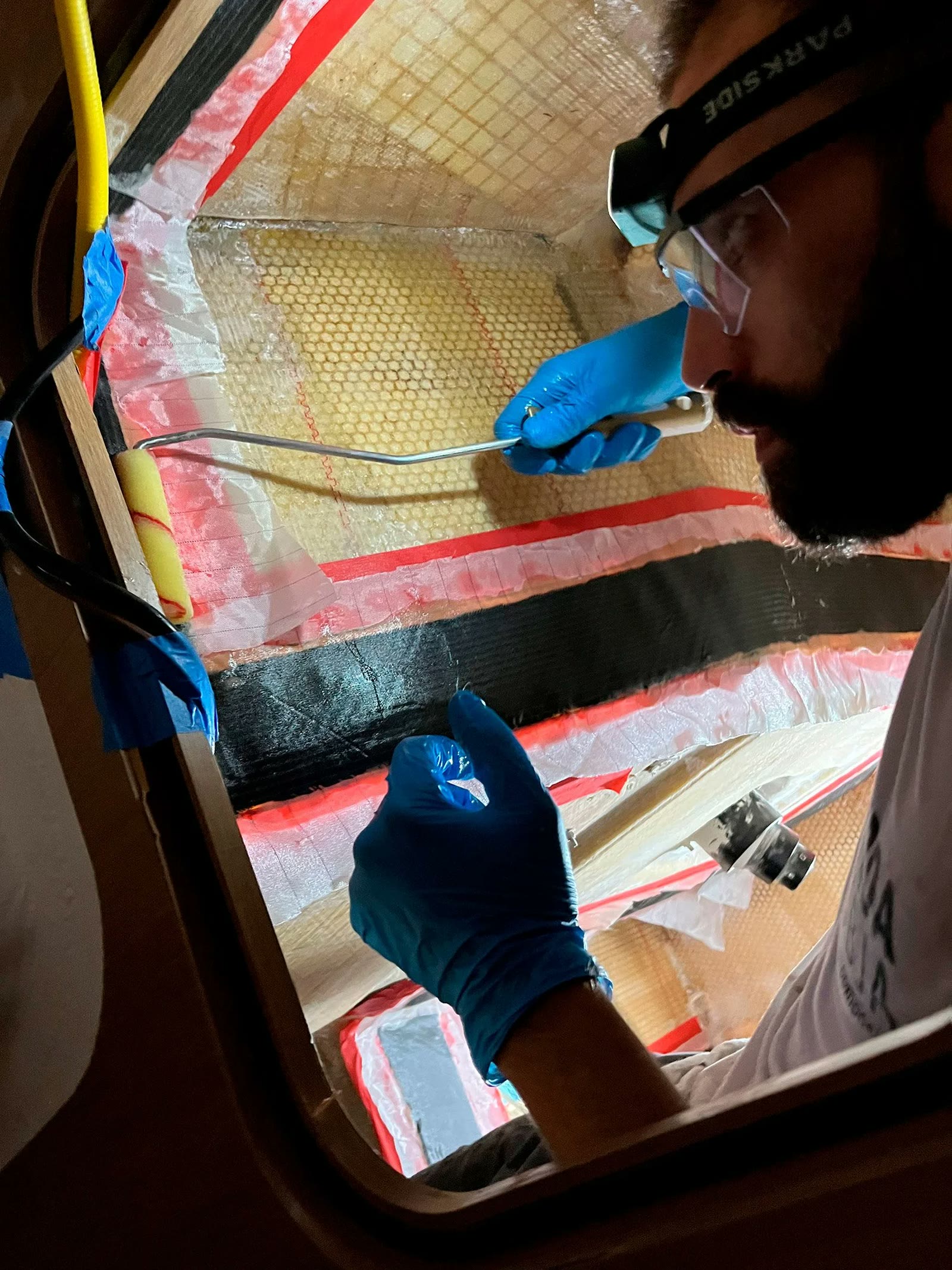
Laminating by hand 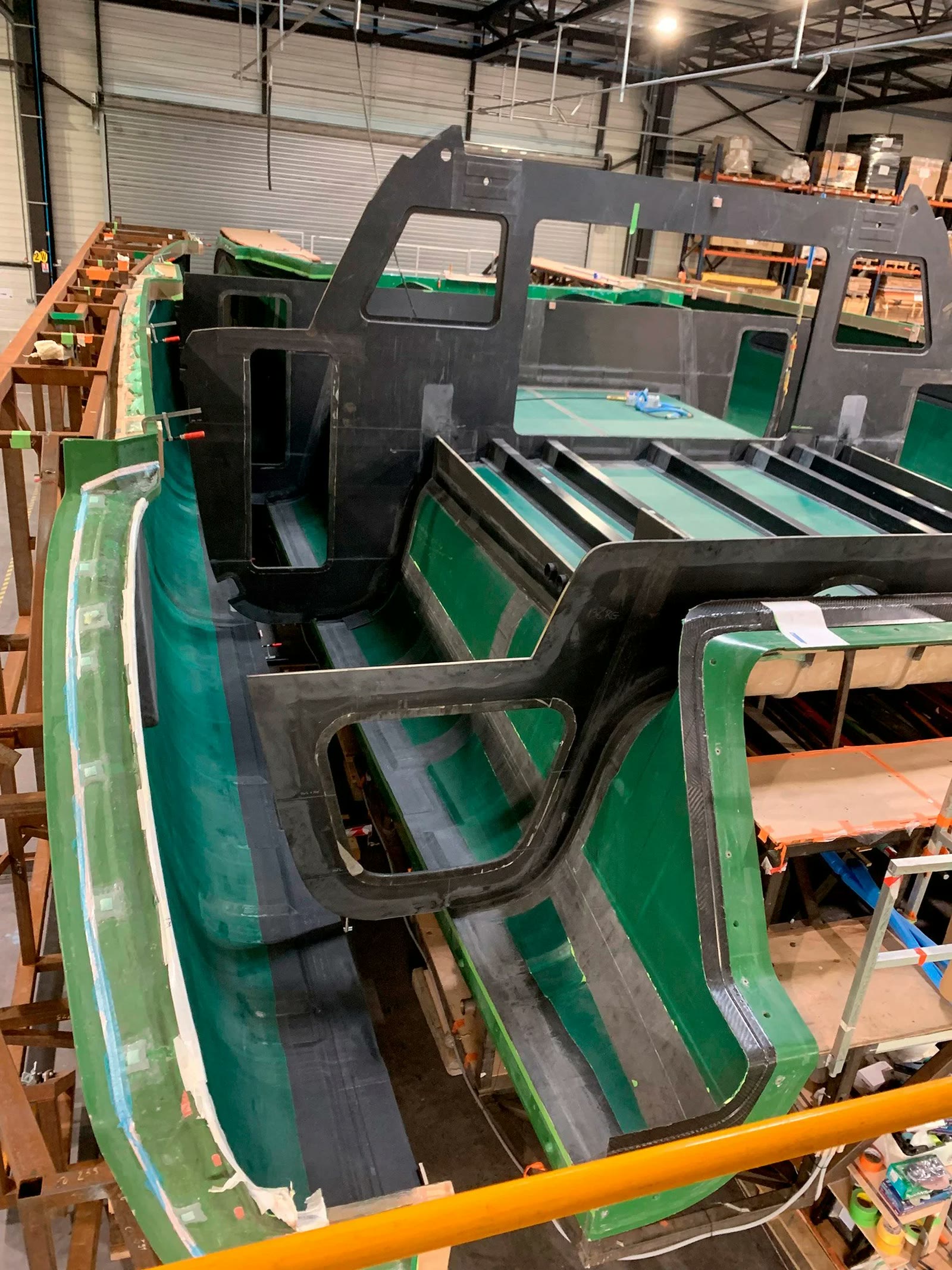
A hull mould 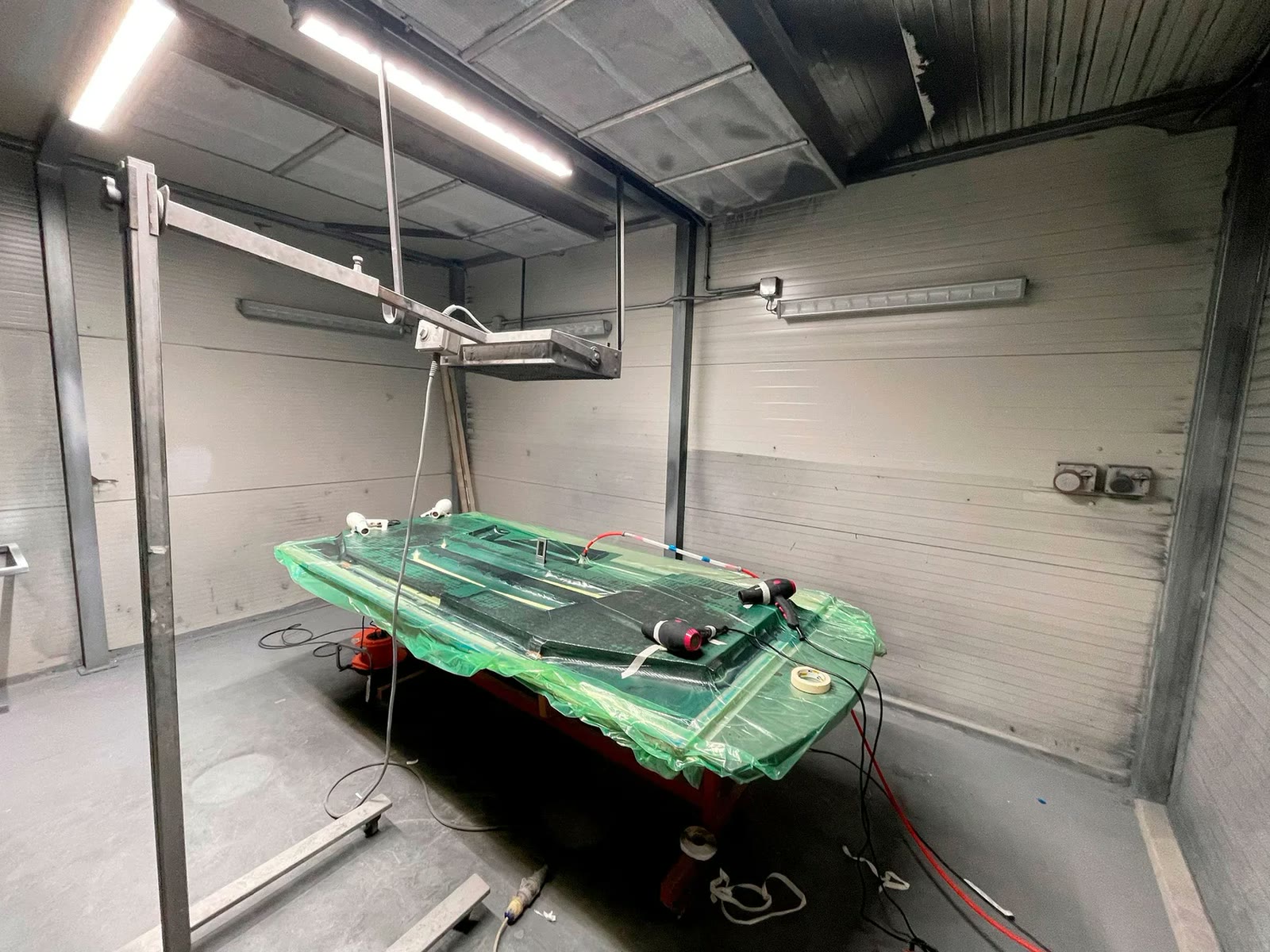
Hull under vacuum 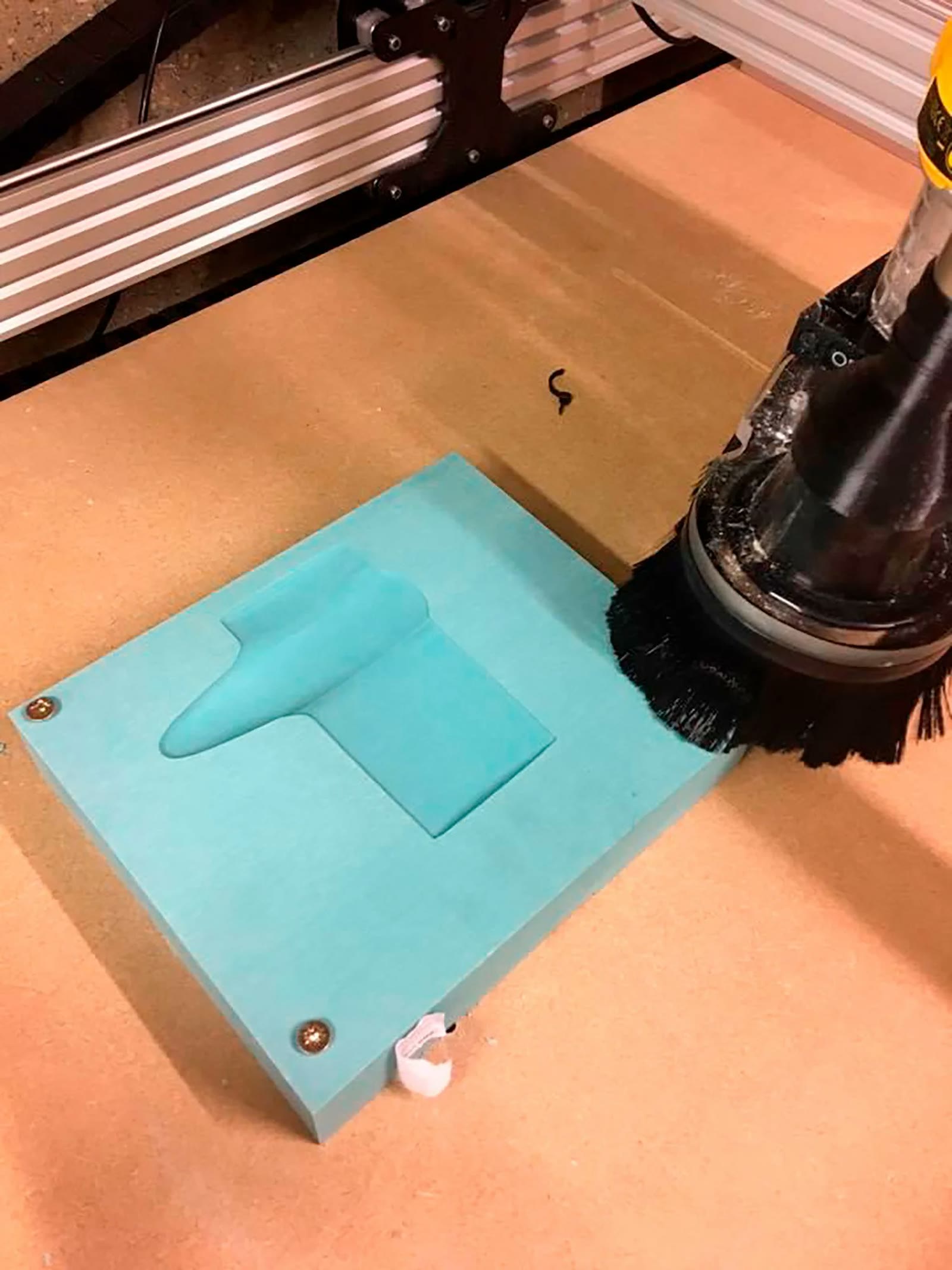
Milling the foam 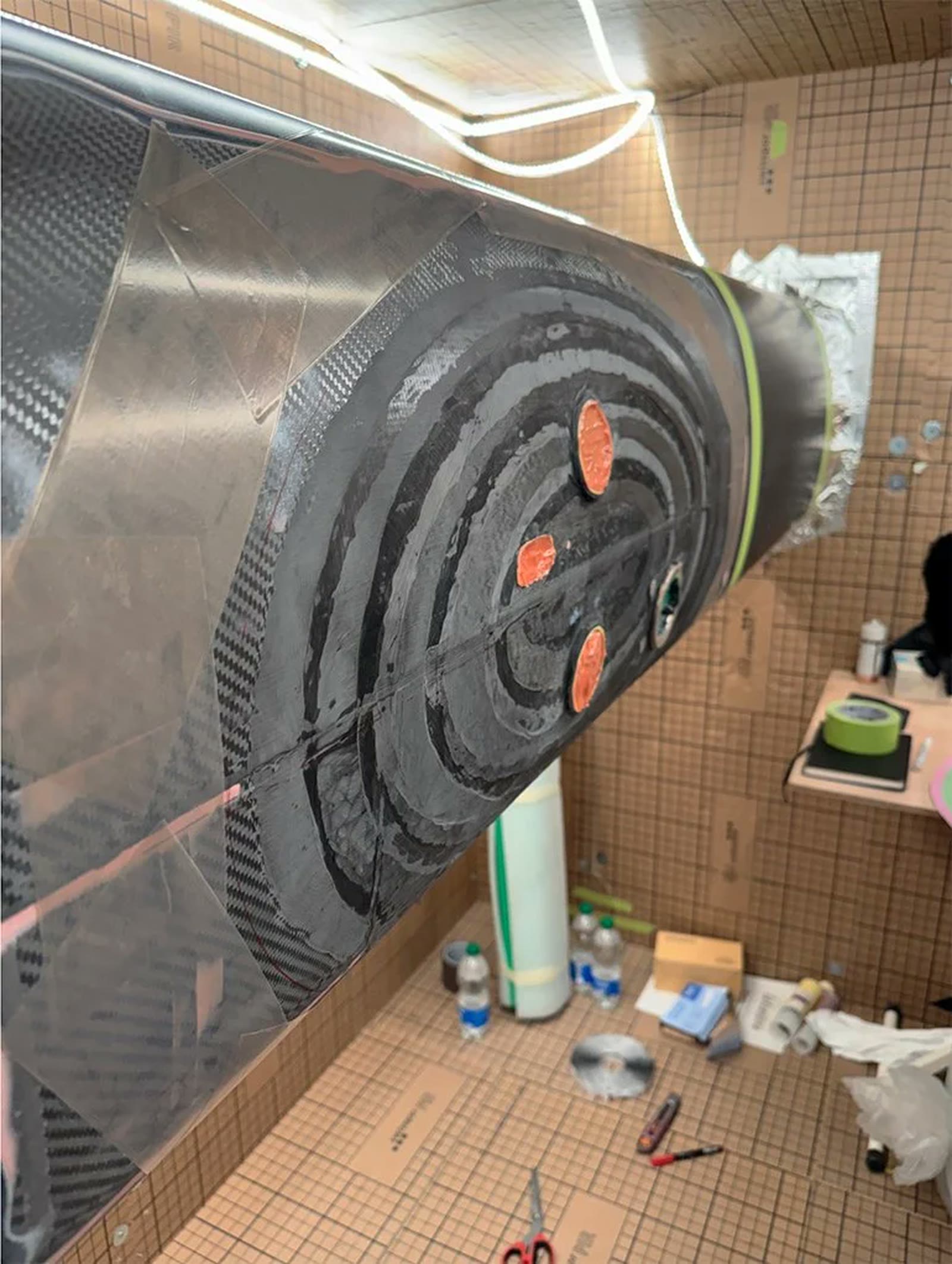
Mast section 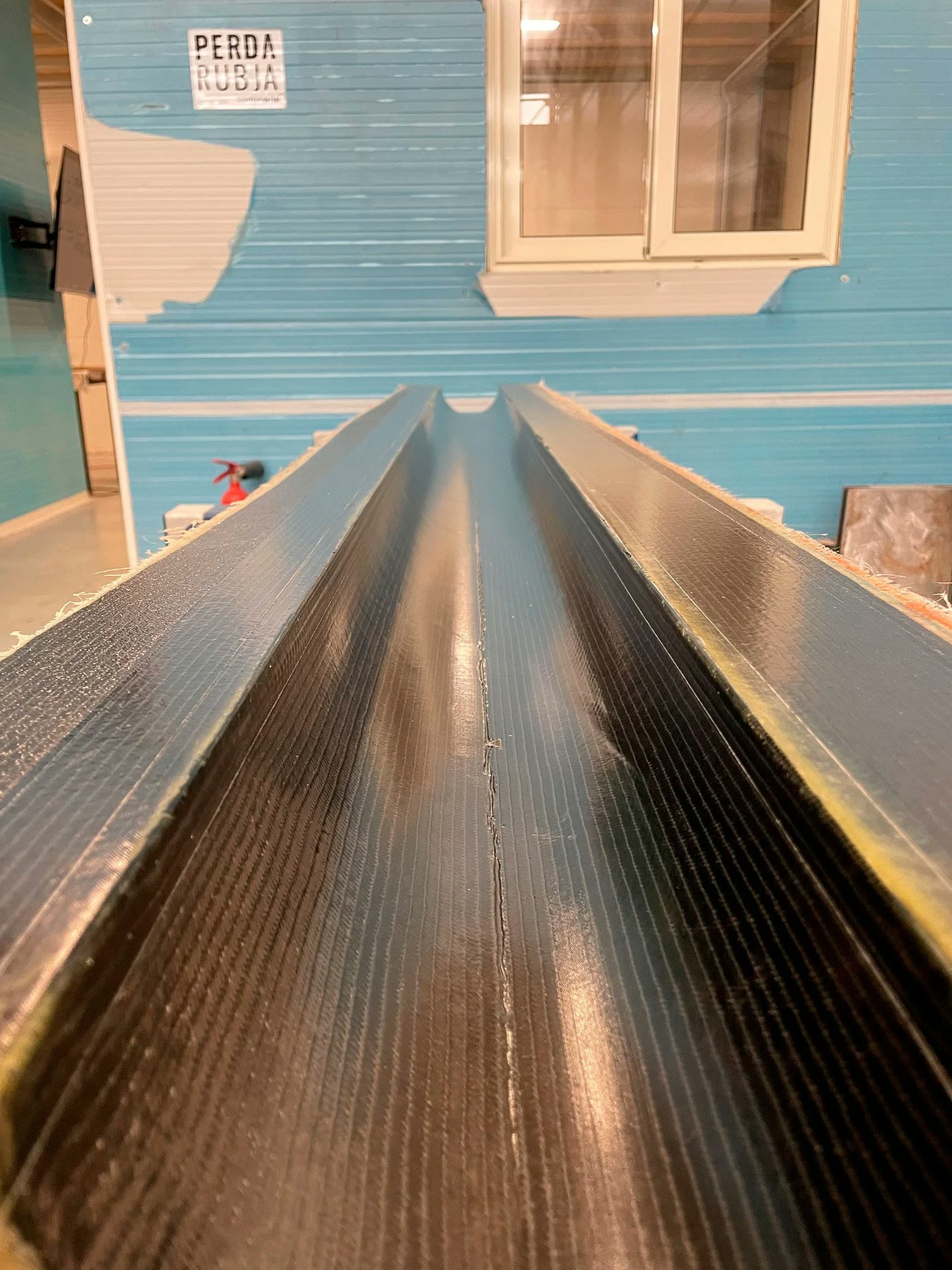
Carbon beams 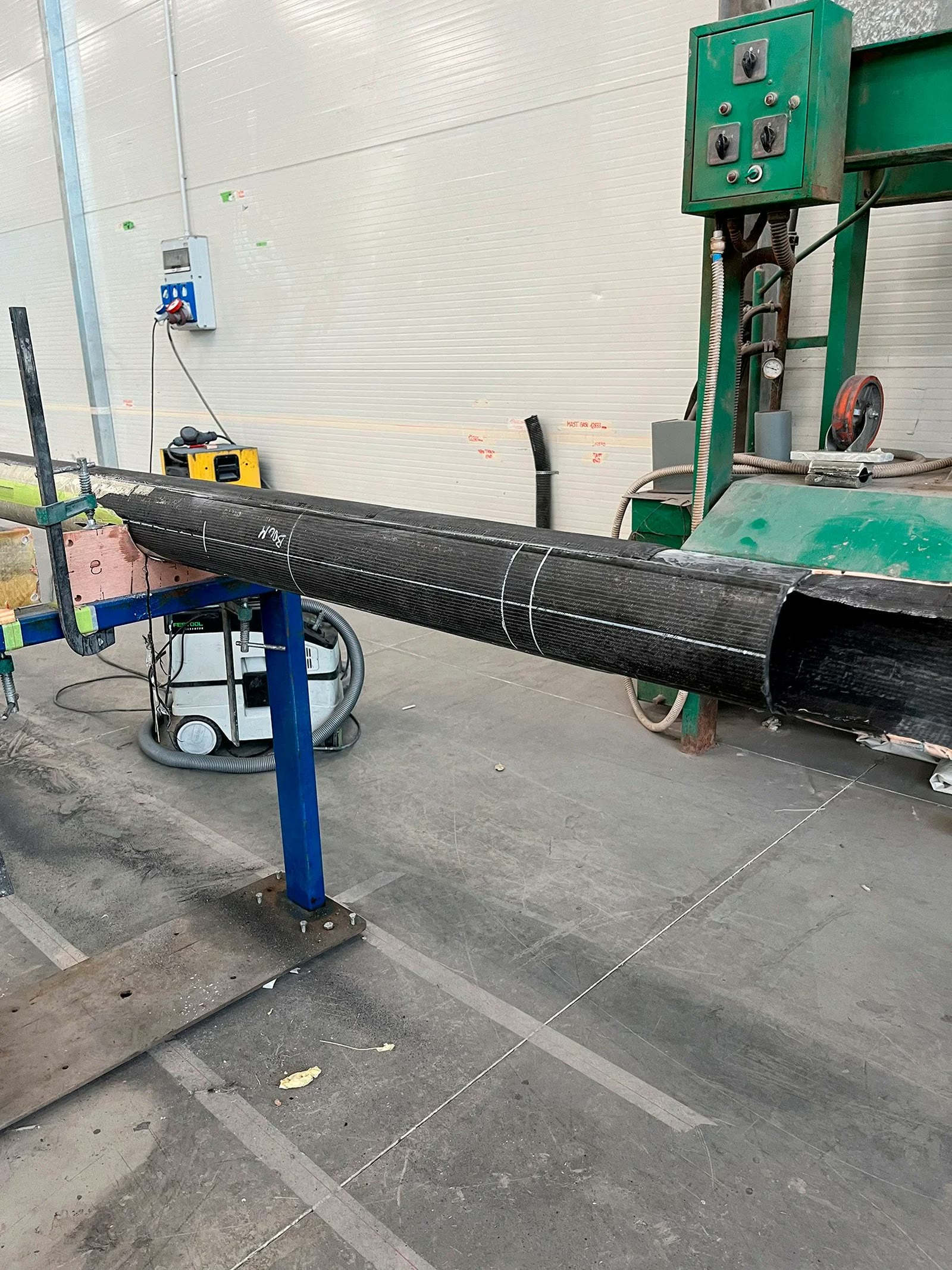
A carbon tube on the bench 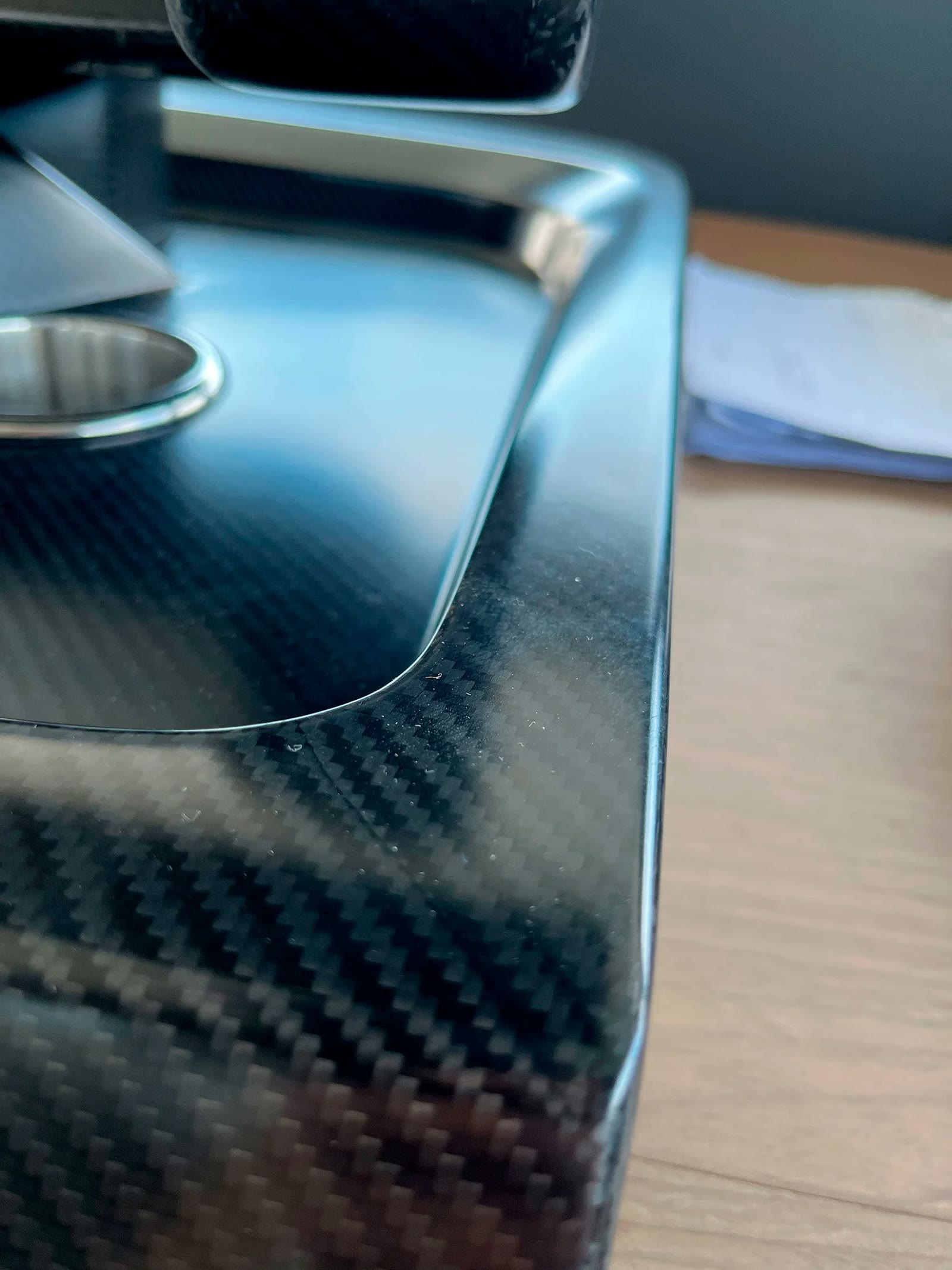
Finished carbon 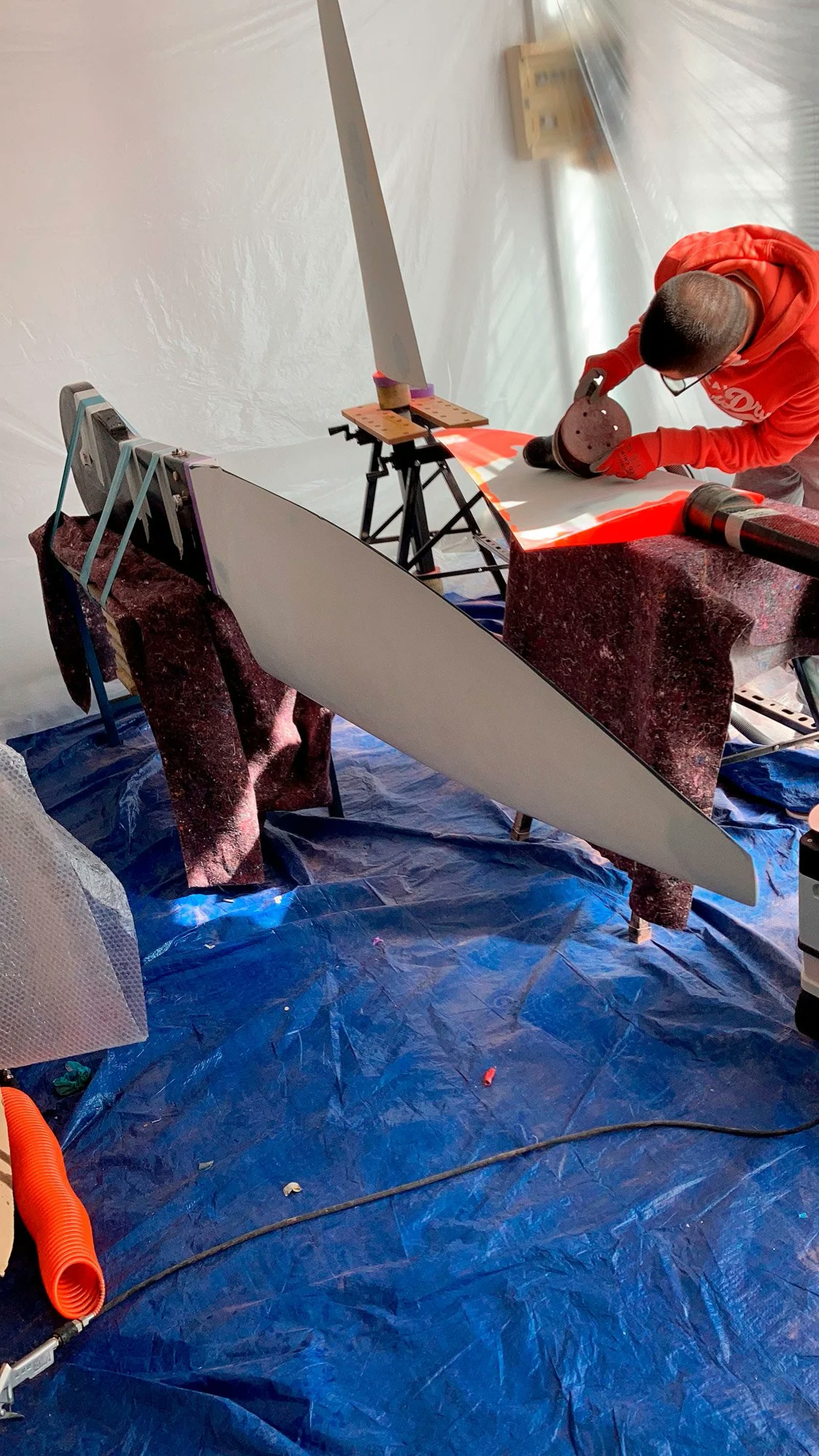
A foil before finishing 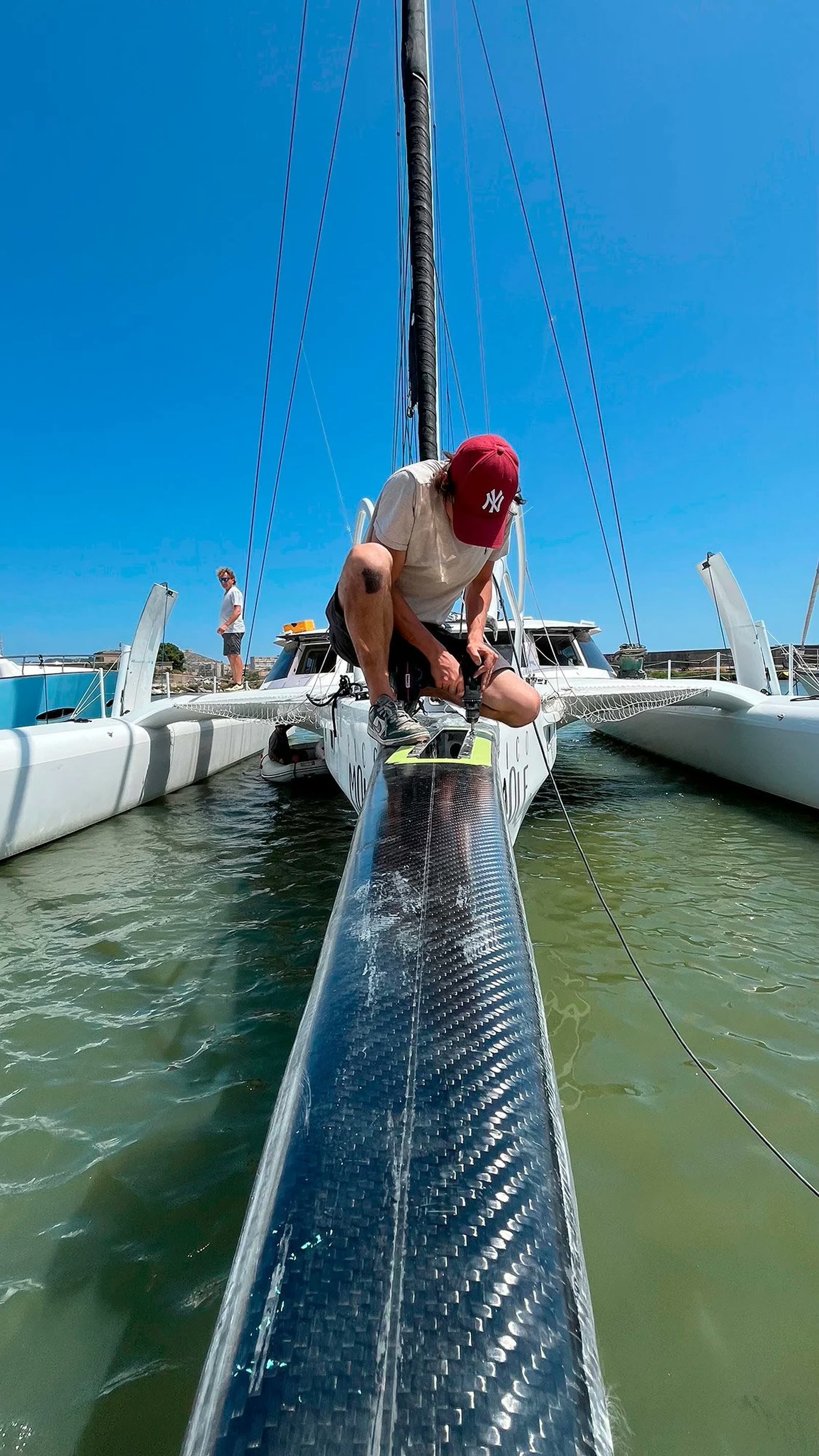
Fitting out at the marina 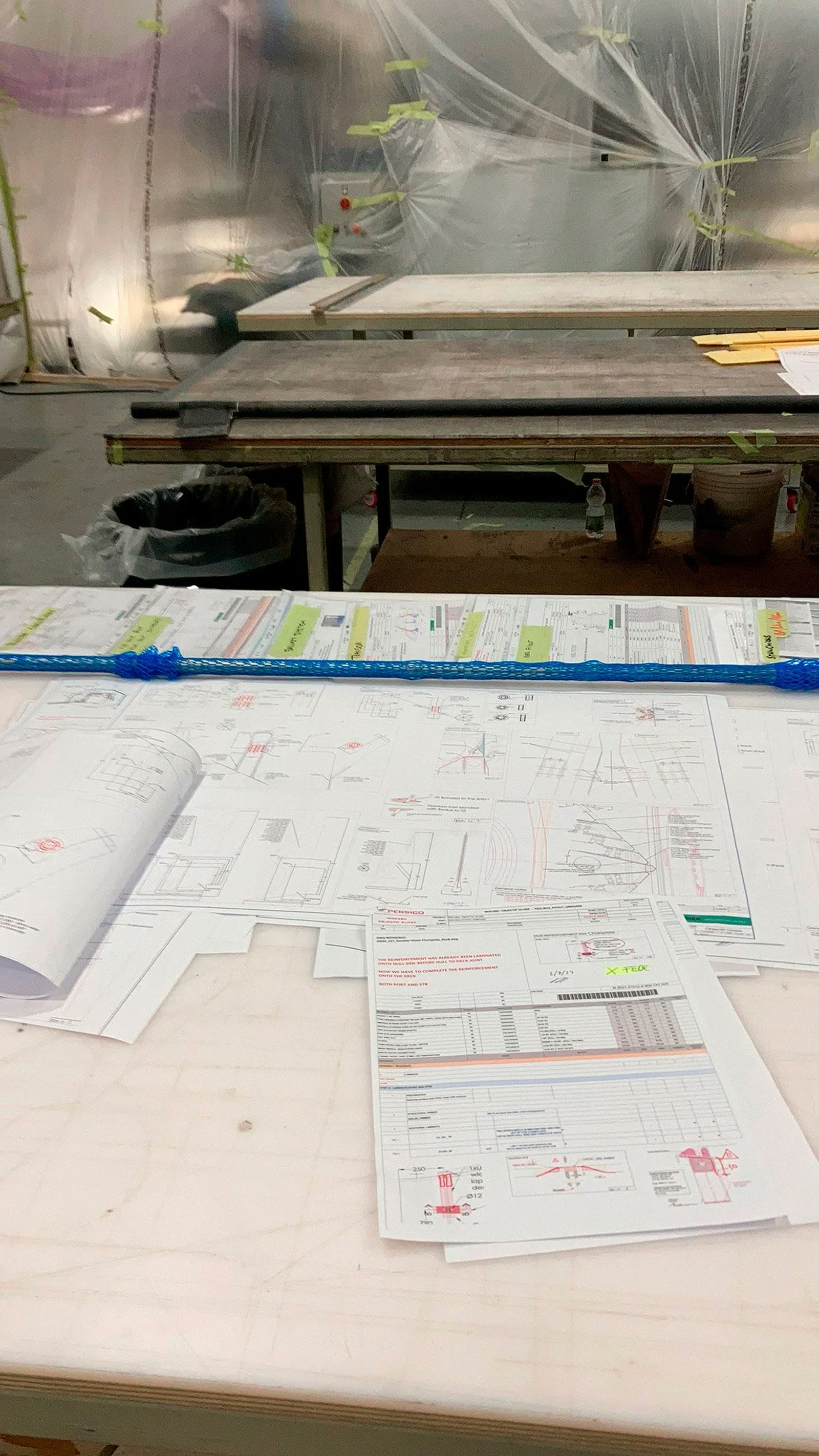
The drawings on the table 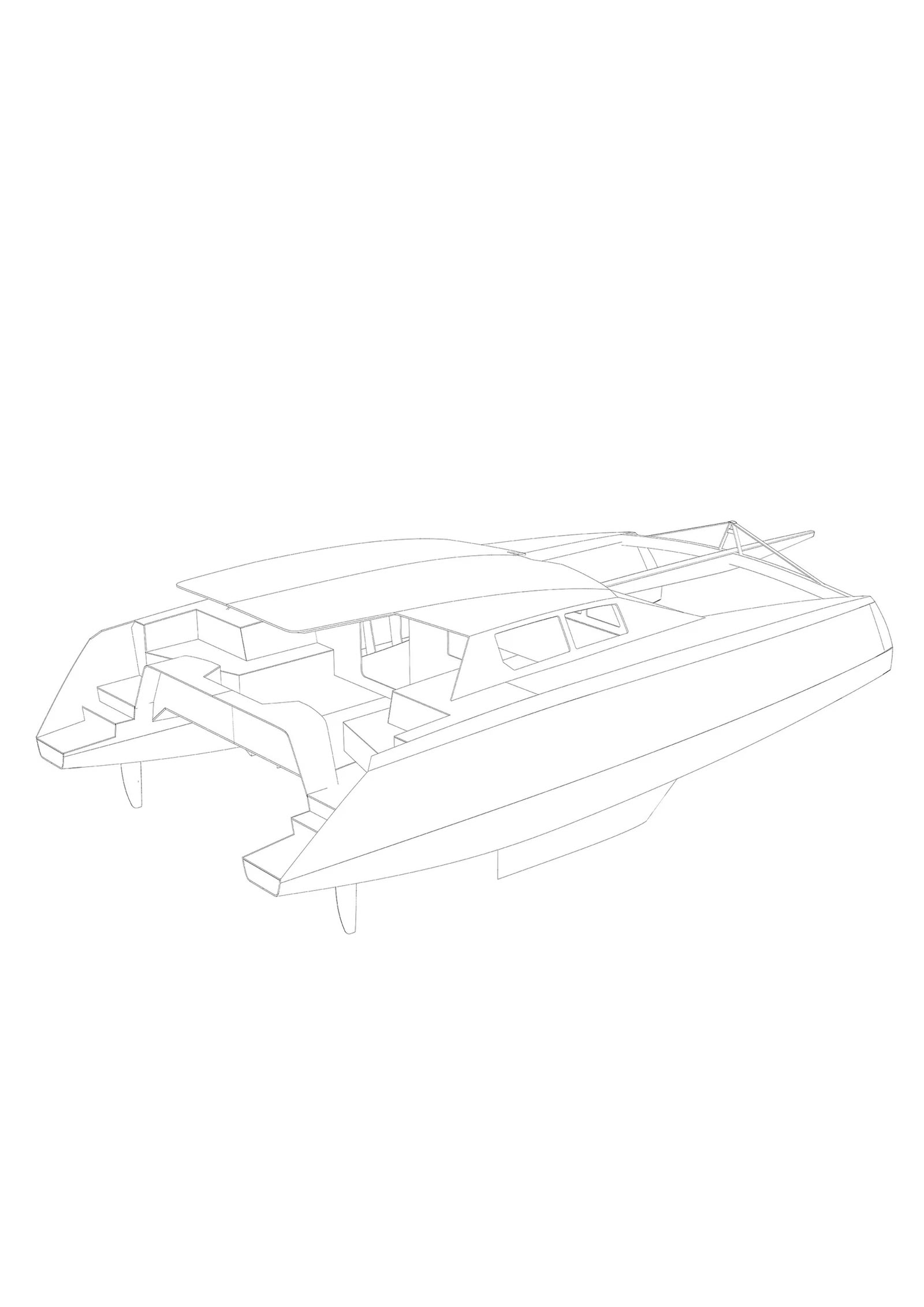
The catamaran, drawn


Photographs from the yard's own archive.

Grainger Catamarans
Three catamarans, one principle
The yard acquired the construction plans of a series of catamarans designed by Tony Grainger, and builds them in Sardinia to order.
Three sailing catamarans, 42, 48 and 52 feet, built around the same principle: a boat that adapts to its owner. Layout, cabins, technical set-up and finishes are configured per boat, from two to five cabins, with optional crew areas.
Owners choose between fixed keels, simpler and more robust for cruising, or daggerboards, for upwind performance and reduced draft.
- Grainger 42: 12 m, 4.7 t
- Grainger 48: 14.6 m, 10.7 t
- Grainger 52: 15.8 m, 11.6 t
The range
The Grainger series
| Model | Length overall | Displacement | Sail area |
|---|---|---|---|
| Grainger 42 | 42 ft, 12 m | 4.7 t | 84 + 82 m² |
| Grainger 48 | 48 ft, 14.6 m | 10.7 t | 116 + 107 m² |
| Grainger 52 | 52 ft, 15.8 m | 11.6 t | 130 + 135 m² |
Figures from the yard's published data sheets.
Questions
Before you write
Do you take work from outside Sardinia?
Yes. The base is Macchiareddu, near Cagliari, and the yard serves the whole central Mediterranean. Parts travel by road and ferry, the team travels for emergencies.
What is the smallest job you accept?
A single custom part. The same processes serve a one-off and a limited series.
Can you repair a boat where it is?
For urgent cases, yes: on-site assessment, temporary stabilisation and emergency composite repair. The full repair happens in the hangar.
Why does a composites yard build a naval drone?
Because a two-hundred-day hull is a racing structure with a different customer. Light, stiff, repairable, and built where the tooling already is.
Composites
Send the drawing, or the damage
A photo and a few lines are enough for a first answer. Structural work starts from the load case.